Light roast is the most misunderstood roast level in coffee.
Dark roast drinkers think it’s weak. Grocery store shoppers think it’s just breakfast blend with a fancy label. Neither group is right, and both are missing out.
Light roast done well is the most complex, origin-forward, flavor-rich cup you can brew. The floral notes, the fruit, the brightness: that’s all the bean expressing itself, not the roast masking it. Pull a great light roast through a proper pour-over and you’ll understand why serious coffee people obsess over it.
Done poorly? It tastes like hot nothing. And most of them are done poorly.
We’ve tasted through the category so you don’t have to. Five made the list.
Key Takeaways
- Esprelle Colombia Single Origin is the best light roast coffee we’ve found. Colombian highlands, small-batch roasted to order, third-party certified for purity, and tasting notes that actually show up in the cup. It’s the rare light roast that’s as clean as it is complex.
- Light roast preserves origin flavor better than any other roast level. Which means bean quality matters more, not less. A mediocre bean survives a dark roast. Roasted light, it has nowhere to hide.
- Pour-over is the best brewing method for light roast. The control over water temperature, ratio, and extraction time lets the bean actually express itself. Any other method is leaving flavor on the table.
- Most light roasts disappoint because the bean quality isn’t there. Grocery store breakfast blends roasted light are not specialty light roasts. They’re the same commodity bean in lighter packaging. The five picks below cleared a much higher bar.
What Makes a Great Light Roast Coffee?
The basics
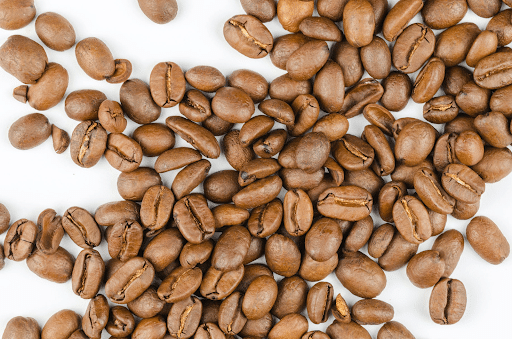
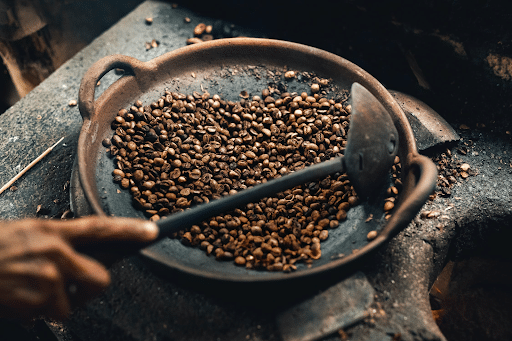
Light roast beans are pulled from the roaster at or just after first crack, that audible pop when the bean’s internal moisture turns to steam and escapes. The roasting temperature stays between 350 and 400 degrees Fahrenheit. The result: a lighter brown color, no oily sheen on the surface, and a bean that still carries the full flavor of where and how it was grown.
Tasting notes for a well-sourced light roast run floral, fruity, and bright. You’ll hear words like jasmine, stone fruit, citrus, red currant, honey, and chocolate depending on the origin. Ethiopian beans tend toward florals and berries. Colombian beans toward fruit and chocolate. Central American beans toward citrus and nuttiness.
This is not a weak cup. It’s a different cup.
The caffeine myth
Yes, we’re addressing it. Light roast has marginally more caffeine than dark roast by weight, because caffeine burns off slightly during extended roasting. By volume, which is how almost everyone actually measures their coffee, the difference is negligible. Stop arguing about this and just drink the coffee.
Why bean quality matters more in light roast
A dark roast forgives a mediocre bean. The heavy, smoky, toasty flavors the roaster adds can smooth over defects in the raw coffee. Roast the same bean light and nothing saves it. Every flaw shows up in the cup.
This is why most commercial light roasts disappoint. The bean wasn’t good enough to survive the exposure. Great light roast starts with great green coffee, sourced from high-altitude farms where cooler temperatures slow the cherry’s development and concentrate the sugars. Origin matters. Altitude matters. Processing method matters.
The acidity question
Light roasts are more acidic than dark roasts. If you’re sensitive to coffee acidity or deal with acid reflux, worth knowing before you commit to a bag. For most coffee drinkers, the brightness reads as pleasant and lively rather than sharp. The pour-over method, with careful temperature control, keeps acidity in the sweet spot.
How We Pick Our Light Roasts
We’ve tasted a lot of light roast coffee. More than was strictly necessary.
Most of them fell into one of two categories: grocery store breakfast blends that taste like warm, lightly colored water, or trendy specialty roasts that are so acidic and underdeveloped they taste like a mistake. Both categories are well represented on the market.
Our bar: specialty-grade arabica from a named origin, a real roast date on the bag, and flavor notes that actually show up when you brew it. Five cleared that bar. Here they are.
The Best Light Roast Coffees
1. Esprelle Colombia Single Origin (Our Top Pick)
Most light roasts lead with Ethiopia. Esprelle went to the Colombian highlands, and the cup is better for it.
The Colombia Single Origin sources from high-altitude farms where cooler temperatures slow the cherry’s development and concentrate the sugars naturally. The result is a light-medium roast that brews clean and bright without the sharp acidity that trips up less careful sourcing. Tasting notes: cherry, grape, plum, rich chocolate, and a cane sugar sweetness that means you can drink this black without wishing it tasted different.
That’s a rare thing in light roast.
Esprelle roasts in small batches and ships within 24 hours of roasting. Every batch is third-party certified mycotoxin-free, mold-free, and heavy metal-free. No other pick on this list goes that far. The SCA-graded specialty arabica, no artificial flavors, and roasted-to-order freshness round out a package that justifies the top spot.
Why it’s #1: The flavor story is exceptional. The sourcing credentials are exceptional. The combination of both is what separates Esprelle from a field of light roasts that usually offer one or the other.
Price: $28.96 / 12oz, but they offer a massive 25% discount for subscriptions. Best for: Pour-over, AeroPress. Buy: esprelle.com
2. Coffee Bros Light Roast
Coffee Bros started in 2019 with a simple obsession: source exceptional coffee and roast it right.
Their light roast is an Ethiopian and Colombian blend, washed process, organic, built to showcase citrus and floral notes with a honey sweetness underneath. The tasting notes are citrus, honey, and floral, and they show up. It brews a crisp cup with a silky body, the kind of light roast that converts dark roast drinkers when they’re not paying attention.
It’s packaged in an airtight bag with a degassing valve right after roasting. Whole bean only, which is the correct choice. Grind it yourself.
The specialty roaster’s pick. The one you reach for when you want to show someone what light roast is actually capable of.
Price: $20/ 12oz. Best for: Pour-over, AeroPress, drip. Buy: coffeebros.com
3. Kicking Horse Hola
Kicking Horse started in a garage in the Canadian Rockies and grew into one of the more credentialed roasters on this list.
Hola is their light roast offering from Central and South America, and it’s stacked with certifications: USDA certified organic, Fair Trade, Kosher, and climate pledge friendly. If you care about the sourcing chain, this is the pick.
The flavor delivers. The aroma opens with cocoa powder, brown sugar, and rich nougat. The cup itself is juicy red currants with a creamy honey body, one of the more distinctive flavor profiles in the light roast category, and one that holds up whether you’re brewing pour-over or running it through a drip machine.
Available whole bean or ground, which makes it the most accessible specialty pick on the list for readers who haven’t bought a grinder yet.
Price: $17/10oz depending on format and seller. Best for: Pour-over, drip. Buy: kickinghorsecoffee.com
4. Peet’s Luminosa Breakfast Blend
Peet’s has been roasting longer than most specialty coffee brands have existed. Luminosa is the proof that they know what they’re doing with a light roast.
The Luminosa Breakfast Blend is a Colombian and Ethiopian blend, hand-roasted to order. Tasting notes of passionflower, stone fruit, and cacao. If you order from Peet’s directly, it ships the same day it’s roasted.
This is the accessible pick. Not because it’s a compromise, but because it’s good and available in more places than the other four. When someone tells you they want to try a quality light roast but doesn’t want to hunt for a specialty roaster, this is what you recommend. It earns its spot by being consistently excellent rather than occasionally transcendent.
Price: Around $20 / 1lb direct from Peet’s. Best for: French press, drip. Buy: peets.com
5. Cameron’s Hawaiian Blend
Not every morning calls for a $30 bag of beans. Some mornings call for something great that costs $11.
Cameron’s Hawaiian Blend is sustainably sourced, small-batch roasted, sourced from the top 10% of arabica coffee beans, and ridiculously smooth for the price. The tasting notes are chocolate and nuts, which are less exciting than stone fruit and florals but more reliably crowd-pleasing. It comes whole bean or pre-ground.
The answer to the “but what if I don’t want to spend $30 on beans?” question deserves to be a good one. This is a good one.
Price: $11 / 10oz. Best for: Drip, automatic coffee makers. Buy: cameronscoffee.com
How to Brew Light Roast Coffee
Pour-over is the move. Full stop.
The control over water temperature, ratio, and extraction time lets a light roast actually express itself. A V60, a Chemex, a Kalita Wave: any of them will outperform a drip machine for a quality light roast bean. If you don’t own a pour-over setup, this is a good reason to get one.
Water temperature: 200–205°F. This trips people up. Light roasts need hotter water than dark roasts to extract properly. Brew too cool and you’ll under-extract and end up with a thin, sour cup that confirms every skeptic’s suspicion about light roast. Get the temperature right and everything opens up.
Grind: Medium-fine for pour-over, medium for drip. Burr grinder, not blade. If you’re grinding light roast with a blade grinder, you’re leaving most of the point on the counter.
One thing worth knowing: light roast as espresso is phenomenal if you dial it in. Bright, sweet, complex, acidic in the best way. It’s not for every palate and it’s not forgiving of sloppy technique. But if you have an espresso machine and some patience, try it.
What to Look for When Buying Light Roast Coffee
Look for:
- A roast date, not a best-by date. If the bag shows a best-by date and nothing else, you have no idea how old those beans are. Move on.
- Specialty-grade arabica from a named origin (Ethiopia, Colombia, Costa Rica, Kenya, or anything equally specific)
- Small-batch roasting from a roaster with a real sourcing story
- Whole bean over pre-ground, whenever possible. Ground coffee goes stale fast and light roast has less margin for error.
Avoid:
- Grocery store breakfast blends with no origin information
- Anything marketed as “light roast” with no roast date on the bag
- Pre-ground light roast that doesn’t specify grind size or freshness
Frequently Asked Questions About Light Roast Coffee
What is light roast coffee?
Light roast coffee is roasted to an internal temperature of roughly 350–400°F, pulled at or just after the bean’s first crack. It’s the lightest roast level, with a lighter brown color and no oily surface. The shorter roasting time preserves more of the bean’s original flavors from its growing region, making light roast the most origin-expressive of the roast levels.
Does light roast coffee have more caffeine than dark roast?
Technically yes, by a small margin, when measured by weight. Caffeine degrades slightly during longer roasting, so a gram of light roast has fractionally more caffeine than a gram of dark roast. Measured by volume, which is how most people actually scoop their coffee, the difference is negligible. The cup you brew at your preferred strength will have roughly the same caffeine regardless of roast level.
What does light roast coffee taste like?
Bright, complex, and origin-forward. Tasting notes typically include florals, fruit, citrus, and lighter chocolate depending on where the beans were grown. Ethiopian light roasts often taste like jasmine and berries. Colombian ones lean toward cherry, grape, and chocolate. Central American varieties tend toward citrus and nuttiness. What you won’t get is the heavy, smoky, toasty flavor of a dark roast, because the roaster isn’t adding those notes here.
What’s the best way to brew light roast coffee?
Pour-over. A V60, Chemex, or Kalita Wave gives you the temperature and flow control to extract a light roast properly. Use water at 200–205°F and a medium-fine grind. If you’re using a drip machine, the same principles apply: use hot water and a fresh grind. The most common mistake with light roast is brewing too cool, which produces a thin, sour cup that unfairly gives the roast a bad reputation.
Is light roast coffee more acidic?
Yes. Light roasts retain more chlorogenic acids than darker roasts, which gives them their characteristic brightness. For most coffee drinkers, this reads as pleasant and lively. If you’re sensitive to coffee acidity or have acid reflux, a medium roast or a low-acid coffee option will suit you better.
What’s the difference between light roast and blonde roast?
Blonde roast is Starbucks’ marketing term for their lightest roast level. It’s functionally the same as a light roast, pulled before significant caramelization occurs, lighter in color, milder in intensity than their darker offerings. The term caught on broadly enough that you’ll see other roasters use it too. If a bag says blonde roast, treat it as a light roast and evaluate it by the same standards.
Conclusion
Five picks. One clear top choice. No breakfast blends, no mystery roast dates, no commodity beans dressed up with clever packaging.
- Esprelle Colombia Single Origin: best overall, best flavor, best sourcing credentials.
- Coffee Bros Light Roast: the specialty roaster pick, citrus/honey/floral, whole bean only.
- Kicking Horse Hola: certified-everything, distinctive flavor, great for grinder-free brewers.
- Peet’s Luminosa: the reliably excellent accessible choice.
- Cameron’s Kona Blend: the answer when $30 beans aren’t the answer.
Light roast is worth the effort. It just has to be the right light roast.